
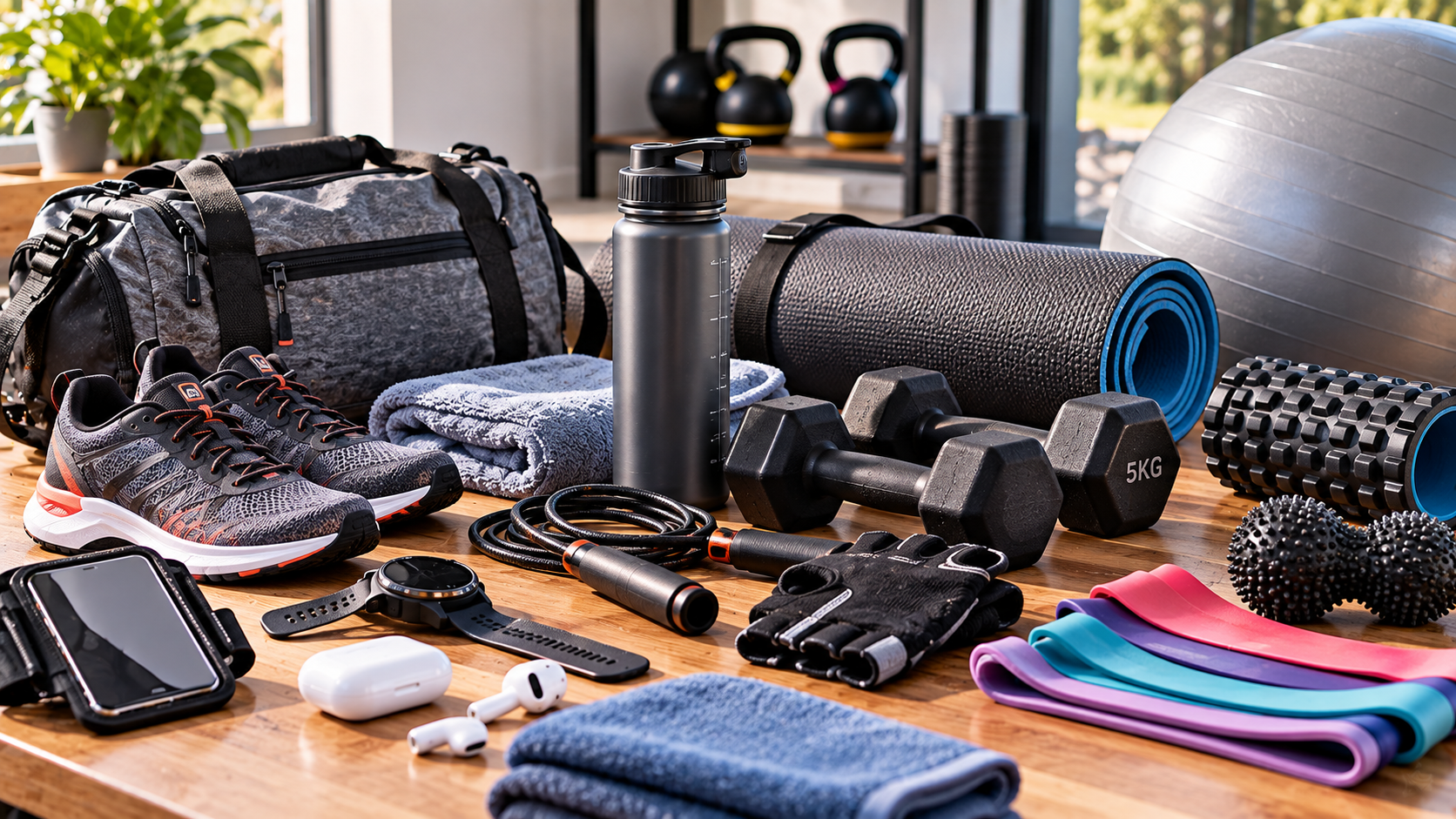
Sports accessories can make training more convenient, comfortable and organised, but not every accessory is equally useful for every activity. The right choice depends on the type of exercise, how often it is performed, where training takes place and which tasks the equipment is expected to perform. Instead of choosing products based only on appearance or the number of advertised features, it is worth considering practical characteristics first.
A good accessory should complement the activity rather than make it more complicated. The most useful products are usually those that are comfortable to use, appropriate for the conditions and durable enough for regular training.
Consider the type of activity
The first question should always be what the accessory will actually be used for. Equipment designed for running may have completely different characteristics from accessories intended for hiking, cycling, fitness or outdoor recreation.
For example, runners may value lightweight items that are easy to carry, while people going on longer outdoor excursions may need accessories that provide additional storage or weather protection. Someone training at home may prioritise compact equipment that can be stored easily.
Thinking about the activity before shopping helps avoid purchasing items that look useful but do not fit the intended routine.
Check comfort and fit
An accessory can have excellent technical characteristics but still be unsuitable if it is uncomfortable. This is particularly important for items that come into direct contact with the body.
Sports bags, belts, gloves, supports and wearable accessories should not restrict natural movement. Straps should sit securely without creating unnecessary pressure, and the size should correspond to the person using the item.
Whenever possible, it is useful to try an accessory before buying it. Comfort during the first few minutes can sometimes be very different from comfort during a longer workout.
Pay attention to materials
Materials influence durability, weight, breathability and resistance to environmental conditions. Accessories used outdoors may be exposed to moisture, sunlight, dirt and changes in temperature, so the material should correspond to the conditions in which the item will be used.
For clothing-related accessories, breathable and comfortable materials can be particularly useful during active exercise. For bags and containers, stronger materials may be more important because they need to withstand regular carrying and movement.
The material should also be easy to maintain. An item that is difficult to clean may become inconvenient when used frequently.
Consider durability
Sports accessories can experience repeated friction, stretching and exposure to different surfaces. Durability therefore matters, particularly for equipment intended for regular use.
Look at the quality of seams, fasteners, handles, closures and other parts that receive mechanical stress. A simple design made from reliable materials may be more practical than a complicated product with numerous features but weaker construction.
Durability should also be considered in relation to the expected frequency of use. Occasional recreational activities may not require the same level of construction as intensive daily training.
Choose the right size and weight
Size and weight can have a significant effect on comfort. An accessory that seems convenient when empty may become uncomfortable once additional equipment is added.
This is especially relevant when choosing backpacks, sports bags, bottles and portable training equipment. The capacity should correspond to the amount of equipment normally carried rather than being selected simply because a larger model appears more versatile.
For activities involving a lot of movement, lightweight accessories can help reduce unnecessary load. However, reducing weight should not come at the expense of durability or practical functionality.
Look at functionality
A useful accessory should solve a specific problem. Before buying it, consider what task it is expected to perform and whether that task is actually relevant to the way you train.
Additional pockets, adjustable elements or specialised features can be helpful when they improve usability. However, more features do not automatically mean a better product.
Simple equipment is often easier to use and maintain. The ideal balance is a product that provides the functions needed without adding unnecessary complexity.
Think about weather conditions
Outdoor activities require accessories that can handle the environment. Rain, wind, cold, heat and direct sunlight can all influence which products are appropriate.
Water-resistant materials may be useful for bags or storage accessories when there is a possibility of rain. During hot weather, ventilation and protection from direct sunlight may be more important. Cold-weather equipment should remain practical when temperatures fall.
The intended season should therefore be considered before purchasing an accessory. A product that works well indoors may not be equally suitable outdoors.
Check ease of storage and transport
Sports accessories should fit naturally into the user’s routine. If an item takes too much space or is difficult to transport, it may eventually be used less often.
Foldable or compact equipment can be particularly useful for people who travel to training locations or alternate between home and outdoor workouts. Accessories that can be stored together also make preparation easier.
It is worth considering where the equipment will be kept when it is not being used. Practical storage can help protect products from unnecessary damage and keep the training area organised.
Compare quality with price
Price is an important consideration, but it should not be the only criterion. A low-cost accessory may be appropriate for occasional use, while regular training may justify choosing a more durable product.
When comparing several options, consider the expected lifespan, construction, comfort and actual usefulness. A product that costs slightly more but remains comfortable and functional for a long time can be more practical than an inexpensive item that needs to be replaced frequently.
At the same time, expensive equipment is not automatically better. The goal should be to pay for useful characteristics rather than unnecessary features.
Think about maintenance
Regularly used sports accessories inevitably become dirty or worn. Before purchasing an item, consider how easily it can be cleaned, dried and stored.
Accessories that come into contact with sweat, mud or moisture should ideally be easy to maintain. Removable or washable components can make regular care simpler.
Proper maintenance can also extend the useful life of equipment. Following the manufacturer’s care recommendations is therefore part of choosing and using sports accessories responsibly.
Prioritise practical needs
The best sports accessories are those that make an activity easier without becoming an obstacle. Before buying something, ask whether it will genuinely improve comfort, organisation, safety or convenience.
Start with the items that address the most important needs. Once the basic equipment is in place, additional accessories can be selected according to personal preferences and experience.
This approach helps prevent unnecessary purchases and makes it easier to build a practical collection over time. Instead of trying to own every possible accessory, choose products that correspond to the activities you actually enjoy.
Make the choice based on real use
Choosing sports accessories becomes much easier when the decision is based on real conditions rather than general recommendations. Consider where you train, how long your sessions usually last, what you carry with you and how frequently the equipment will be used.
Comfort, durability, appropriate materials, suitable size and practical functionality should all be evaluated together. Weather conditions and maintenance requirements are also important for outdoor use.
Ultimately, the right sports accessory is not necessarily the most advanced or expensive option. It is the one that fits the activity, feels comfortable during use and performs its intended function reliably. A thoughtful selection makes training more convenient and allows equipment to support an active lifestyle rather than becoming an unnecessary burden.
No responses yet